
AI for climate action: opportunities and risks
16 February 2025
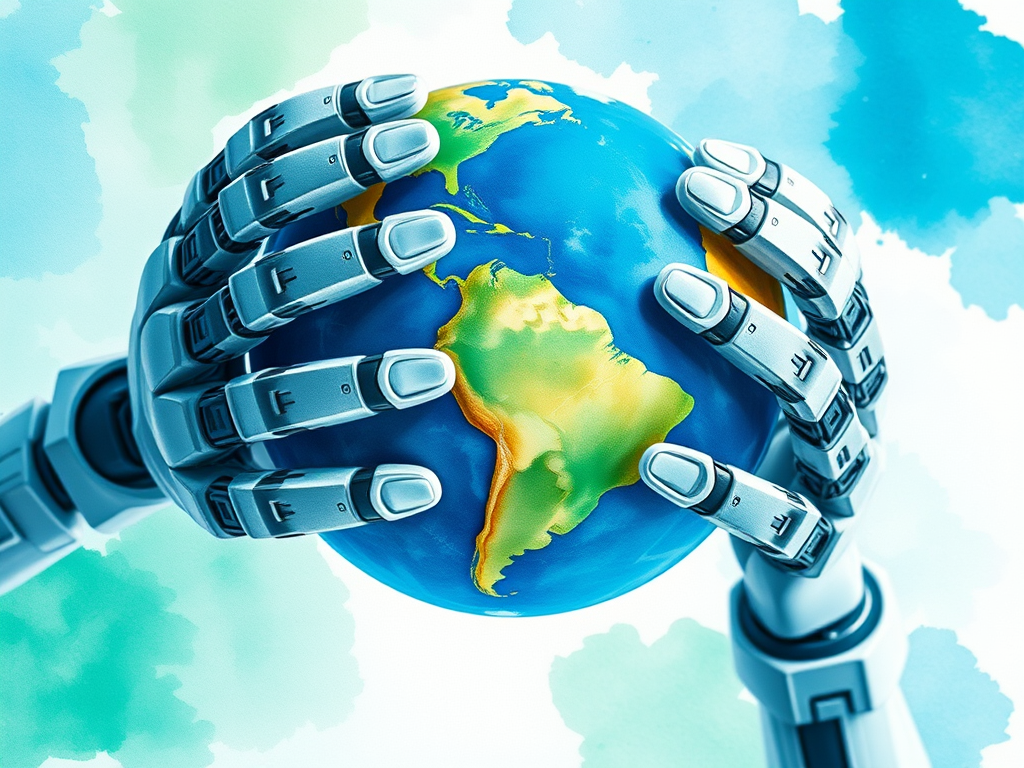
How AI can help us to mitigate and adapt to Climate Change and the hidden energy cost of AI
A world of possibilities
AI can play a pivotal role in both mitigating and adapting to the effects of climate change. One of the frequently cited barriers to accelerating action on climate change is the size and complexity of the datasets, variables, models and scenarios involved. AI can help with analysis, monitoring and creating causal links. However, the hidden energy cost of AI needs to be considered if we are to achieve sustainable development.
AI as a tool for climate action
Below are some examples of opportunities for AI

Human Rights
Climate change is a serious threat to human rights, affecting people’s health, food security, and the environment. Mitigating and adapting to climate change is not just about adopting a technocratic approach but ensuring climate justice and equity.

Smart and sustainable cities
AI can assist in better management of cities via digital control rooms. AI can monitor the city in real time, manage large sets of data and produce outputs on climate change, flooding, energy consumption. This allows policy-makers to address urban issues based on the available data as well as to identify trends.
Public engagement and participation in climate action
AI can increase access and representation in the policy and decision-making processes by involving diverse, disadvantaged and disengaged groups by using tools like chatbox, virtual reality and gaming (which can be particularly engaging for young people).

Climate change litigation and ESG
AI can assist in gathering and analysing complex data to establish causation and loss in climate change litigation. AI can be used in ESG reporting through data collection, analysis, and reporting, as well as compliance.
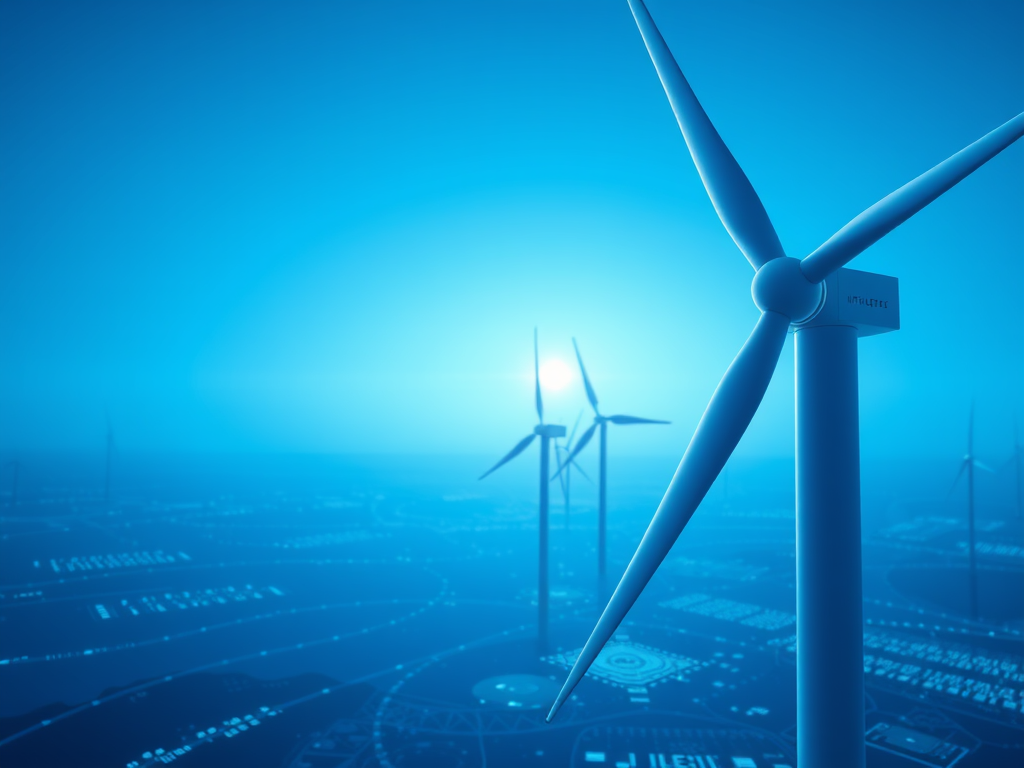
Energy storage and energy grid management
AI predicts energy demand and opmitimises storage system to ensure renewable energy us used when needed

Smart buildings
AI can help manage the use of resources in Smart Buildings to reduce overall energy consumption, for example, through the idea of Digital Twins.
Risks of AI technologies
Data collection and analysis by deep learning models is more than a technical process (UN Habitat, 2022). AI systems are influenced by designer’s values including any biases. Governance is a key tool to ensure that data that is collected and used by AI to produce outputs is reliable and is value-driven, for example to achieve sustainable development and climate justice (and hasn’t been manipulated through financial or other incentive by tech companies).
AI’s risks include misinformation, bias and discrimination, and inequalities. These risks will have an impact on our ability to take action on climate change.

What type of data are AI machines being fed?

What values is AI governed by?

Do AI outputs re-produce bias or inequalities?
the energy cost of AI
The energy cost of training deep learning models and running large-scale AI systems can be significant and can contribute to high carbon emissions.
Historically, data centres have been powered by fossil fuels. There is a growing trend for data centres to transition to renewable sources of energy. Google is looking to use small nuclear reactors to generate the vast amounts of energy needed to power its artificial intelligence.
According to current estimates, the energy cost of using ChatGPT to ask a single question is roughly between 0.3 and 3 watt-hours, which is significantly higher than a standard Google search, equivalent to the energy used by a small LED bulb for a few minutes; however, the exact amount can vary based on the complexity of the query and the model used.
How should AI be governed to ensure Sustainabe Development and protection of Human Rights?

 AI for Human Rights